Biography & Approach
Biography
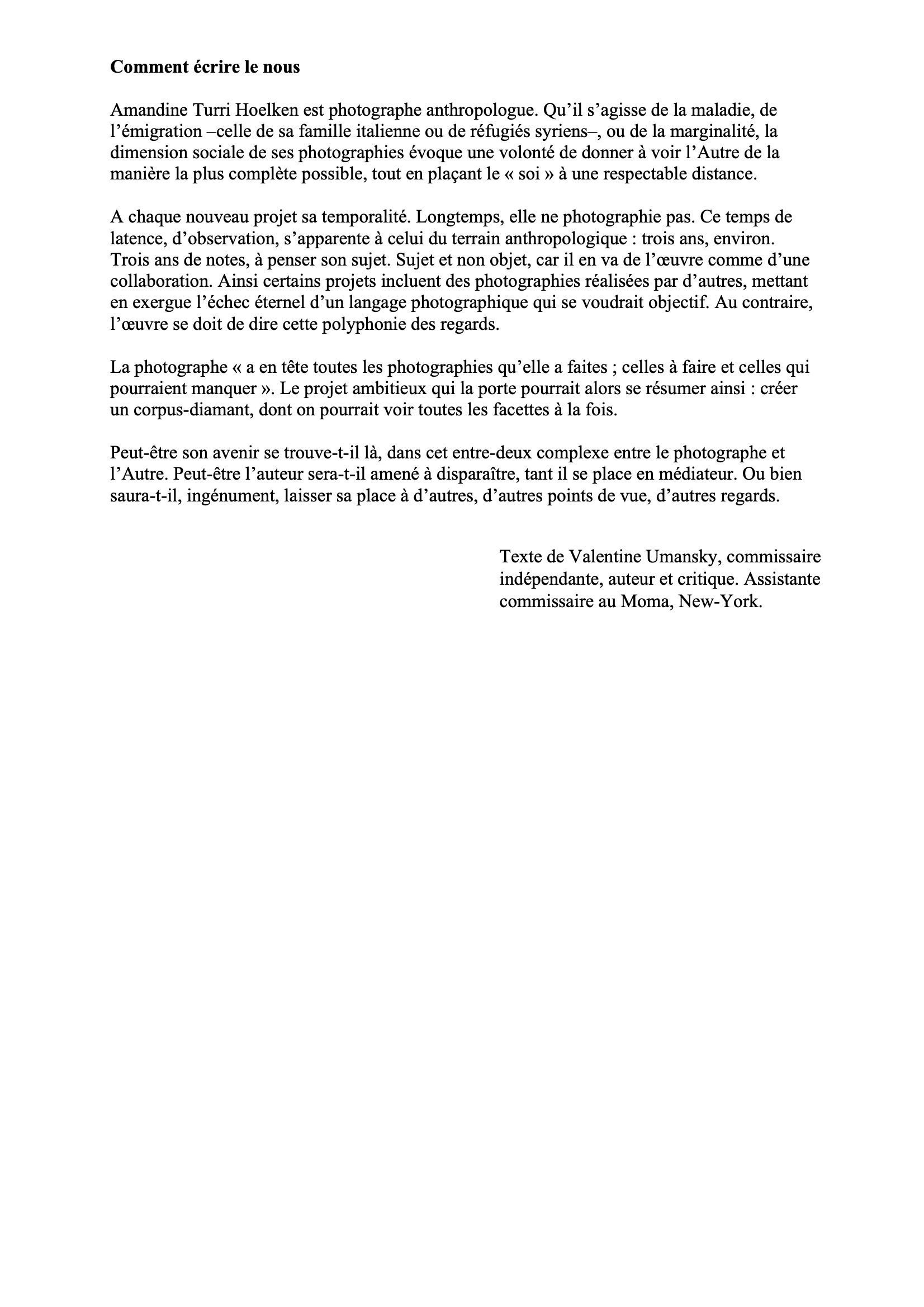
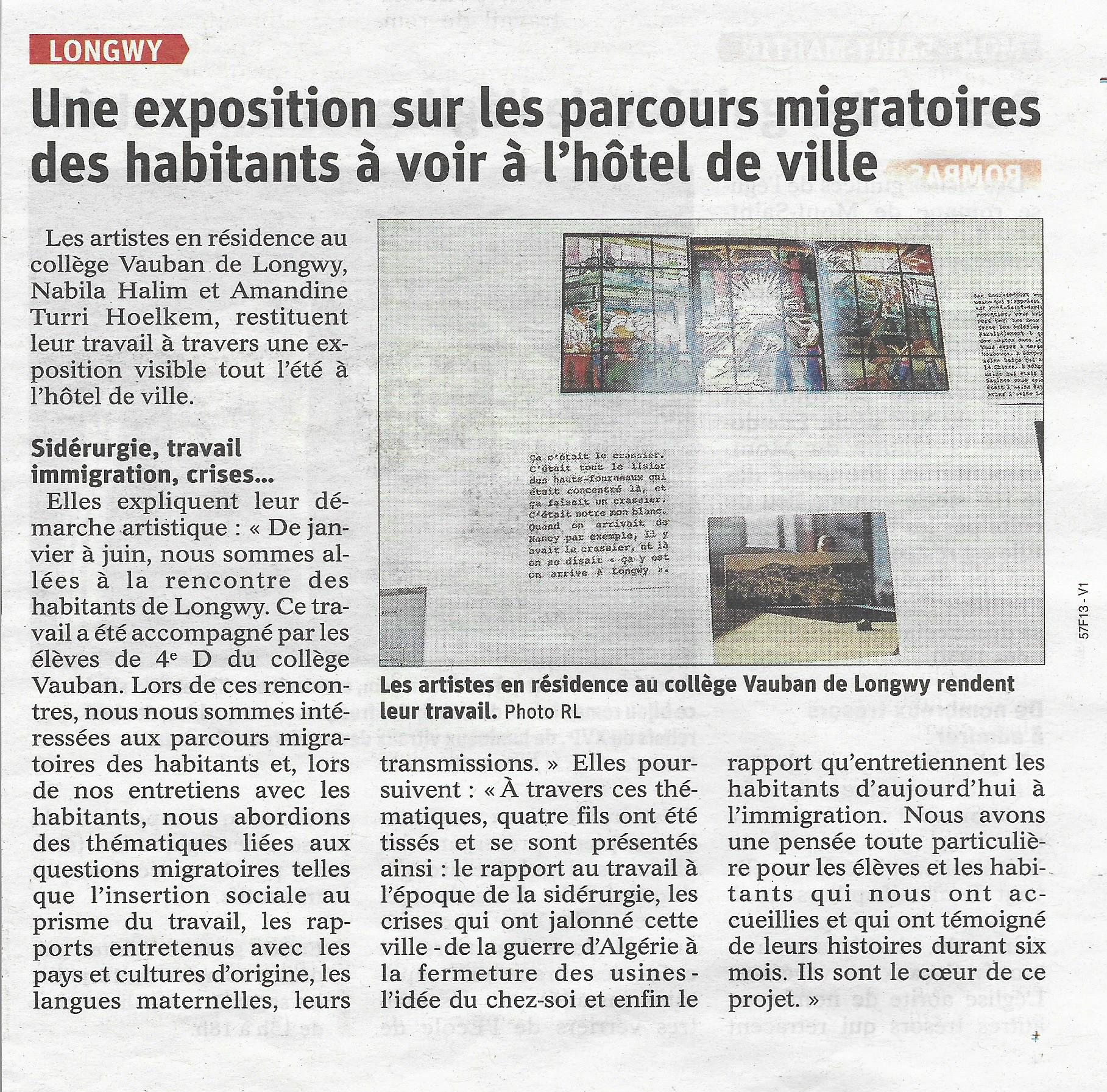
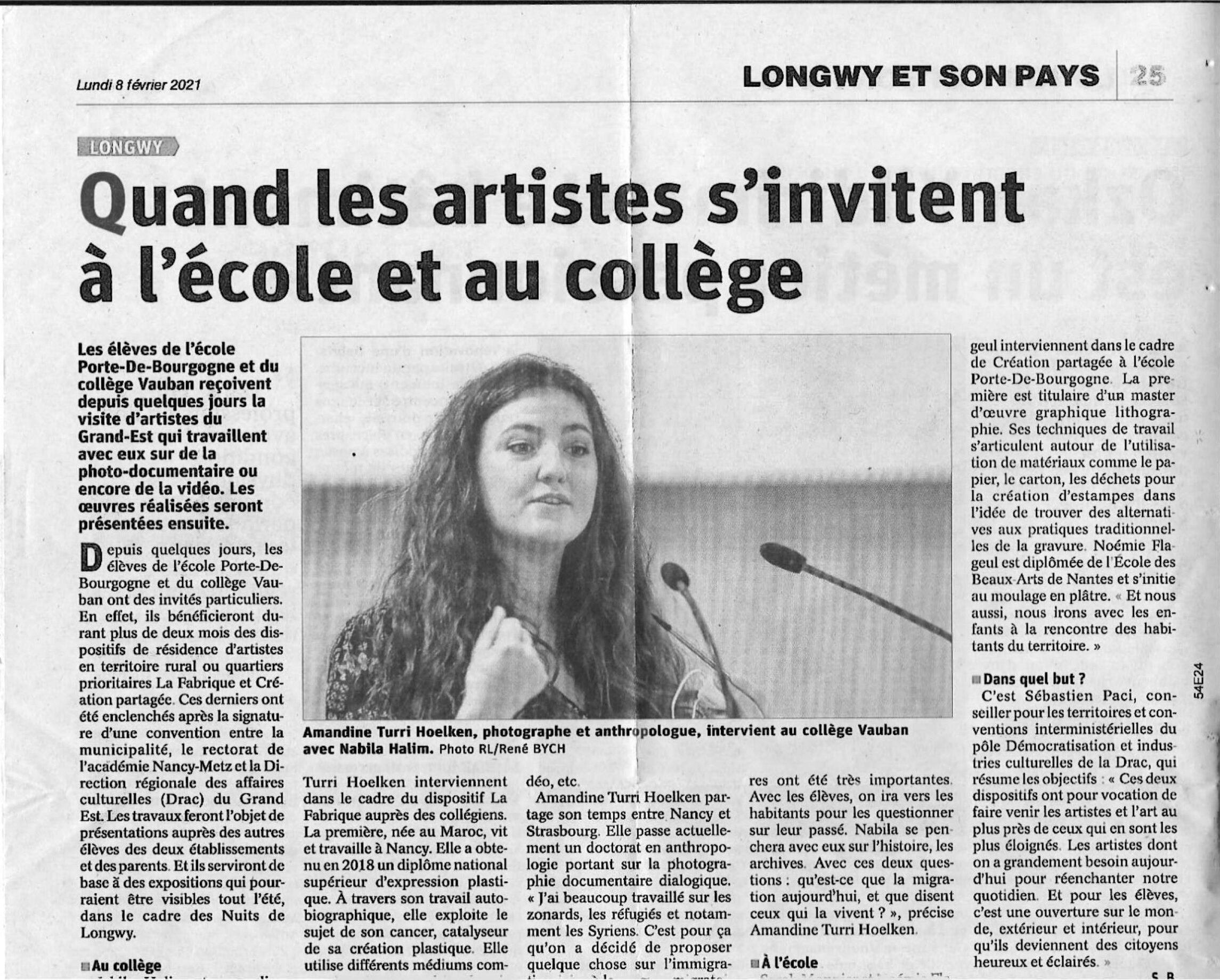
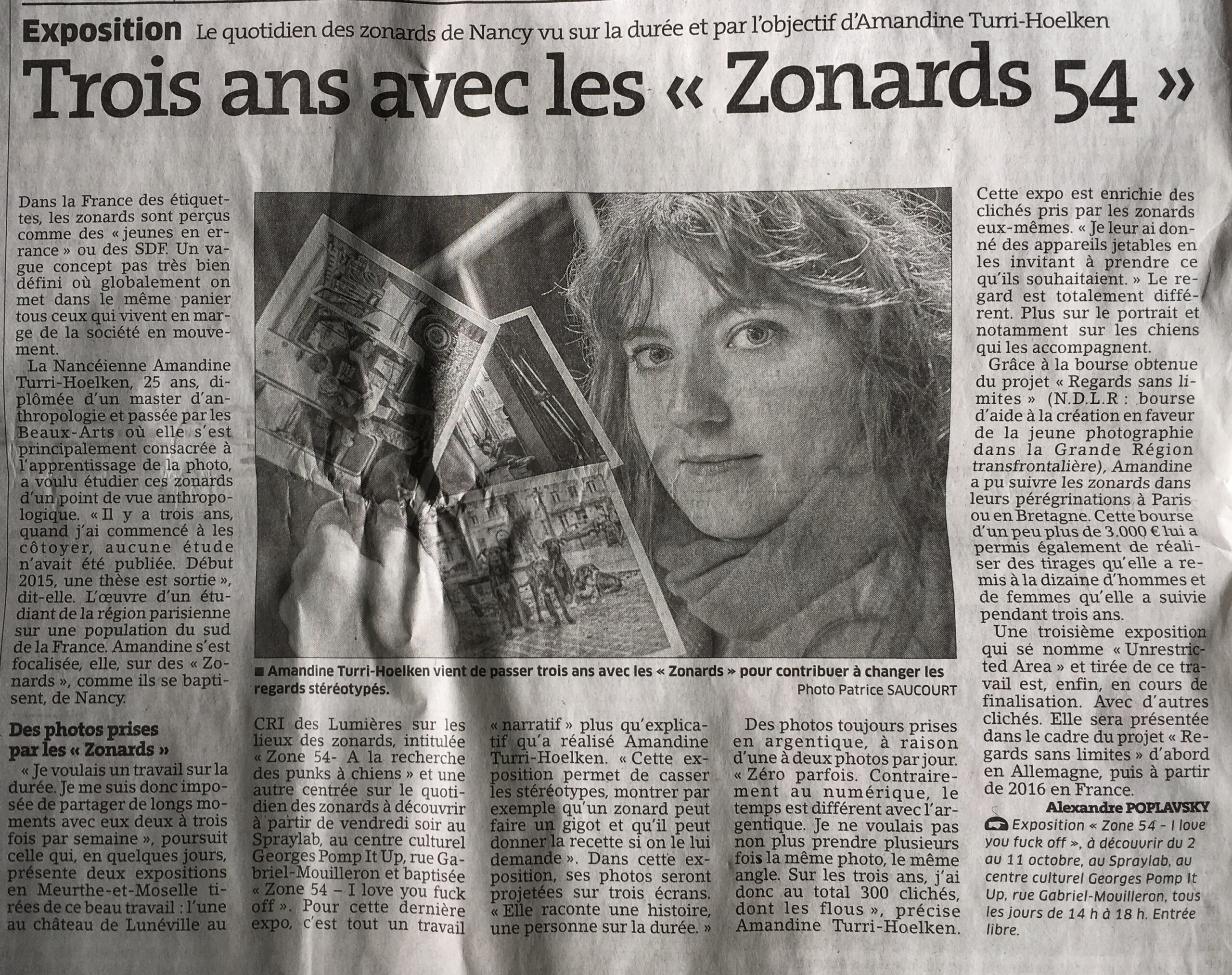
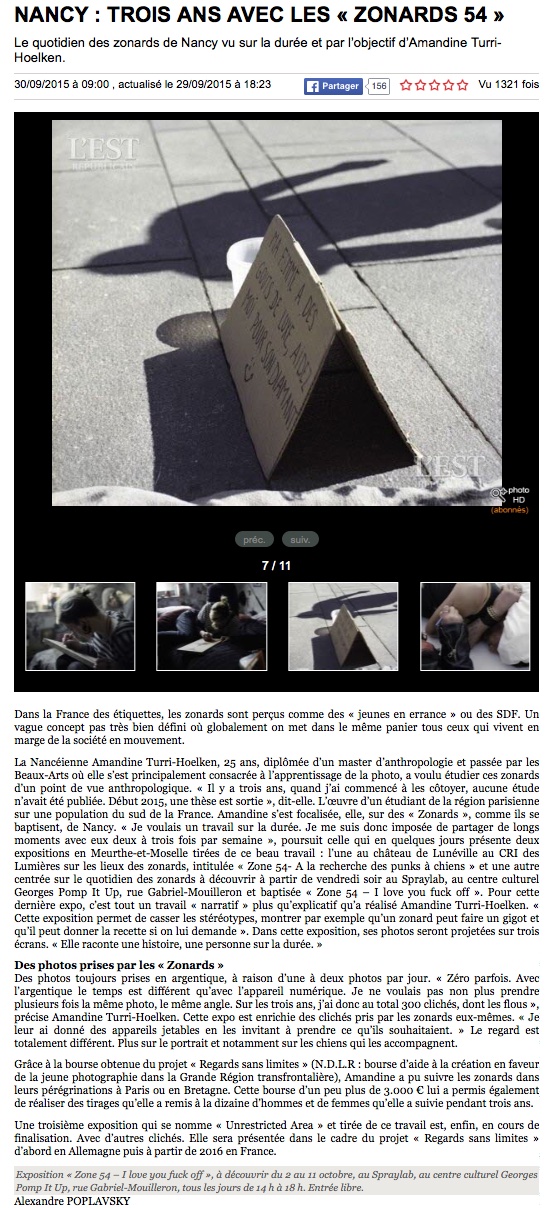
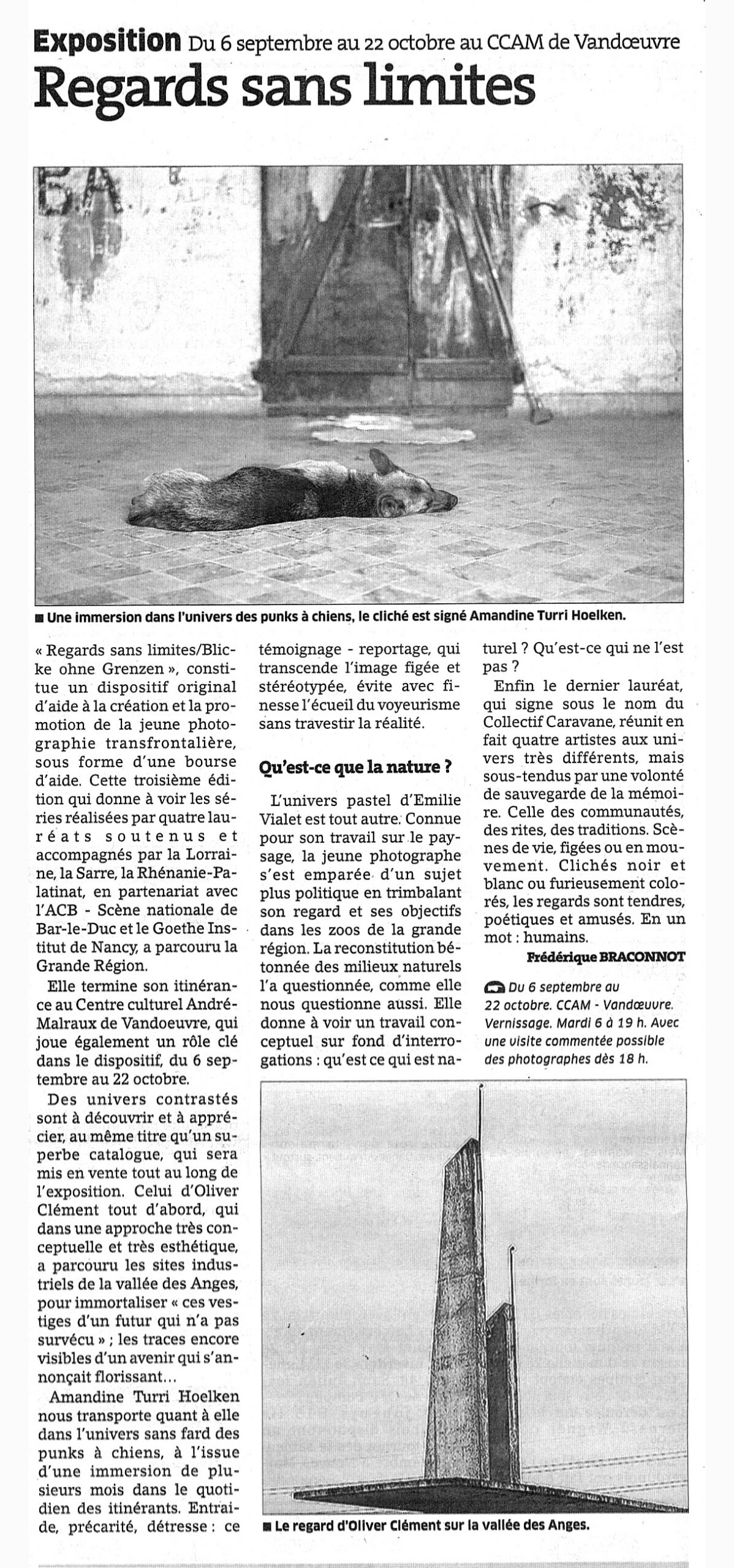
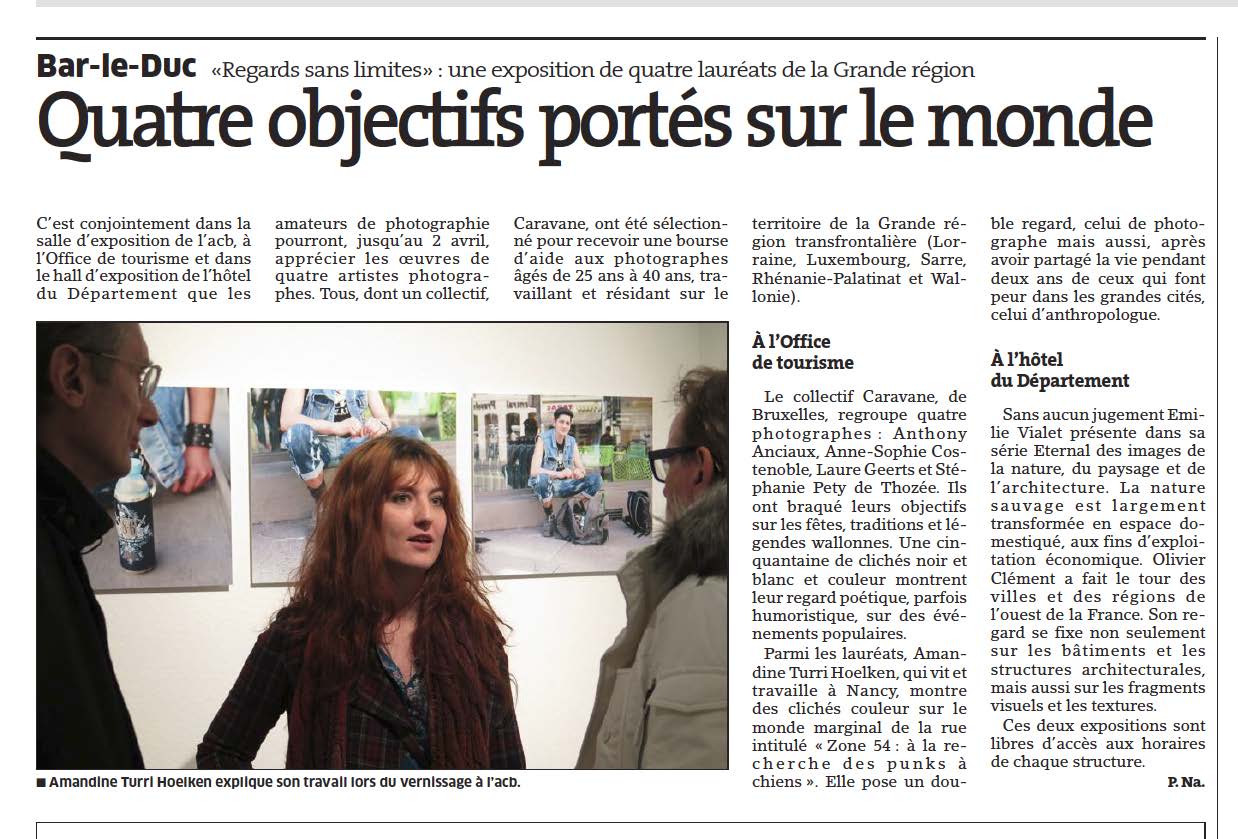
Amandine Turri Hoelken is an artist-researcher working at the intersection of art and anthropology. She studied at the École Nationale Supérieure d’Art et de Design de Nancy (DNSEP) and went on to complete a PhD in anthropology at the University of Strasbourg (LinCS); she has developed a dialogic, engaged and situated documentary practice. Her projects, such as ZONE 54 and Ahllanwasahllan / بياڤنو, examine representations of marginalised communities and the dynamics of co-constructing narratives. She regularly uses artist residencies as spaces for experimentation and research, working in close connection with the fields she explores. She teaches visual anthropology at university and actively contributes to the promotion of transdisciplinary approaches combining art and the social sciences, in particular through her co-creation of the Locomotion festival, her editorship of academic publications and the organisation of events centred on research-creation. In 2025, she was awarded the Tillion-Rivière thesis prize by the French Association of Ethnology and Anthropology (AFEA), recognising her engaged research, and co-founded the POP [Photographie d’Origine Partagée] collective.
Approach
My experience as a photographer and anthropologist leads me to view documentary photography not only as a means of sharing knowledge, but also as a tool for social and political reflection.
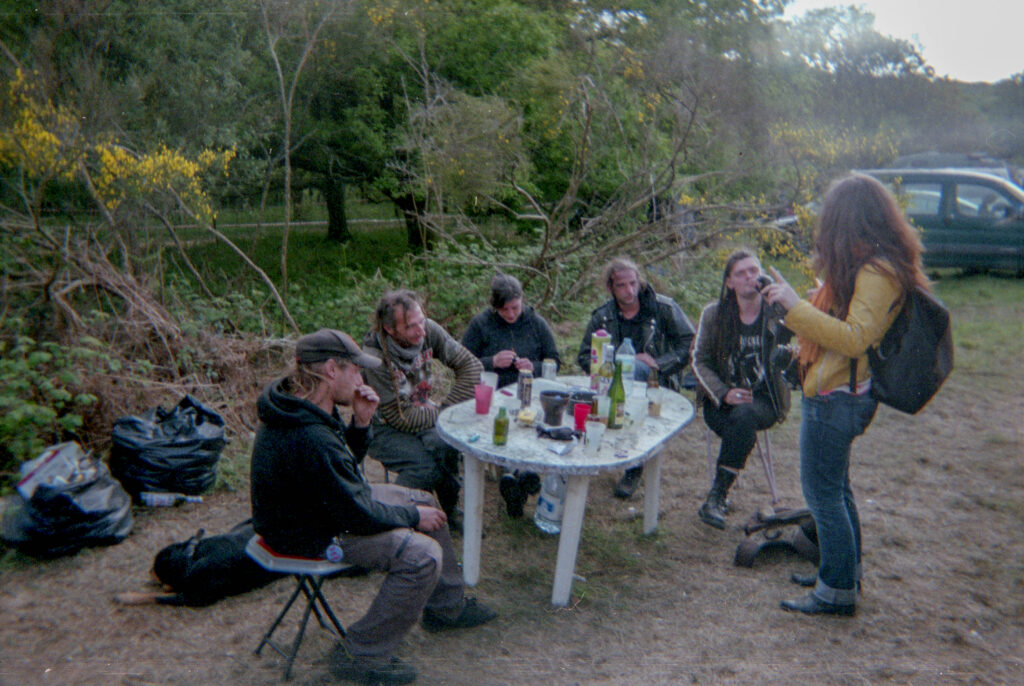
By exploring themes such as immigration, working-class neighbourhoods and people living in squats, I aim to show – through photographs of their daily lives – that the individual and, at times, collective stories of the people I meet always extend far beyond the social frameworks to which they might be assigned. It is important to me to tell their stories from the inside, by experimenting with collaborative approaches.
Through my approach to documentary photography, I seek to build collective knowledge and to find appropriate ways to convey these stories and empower both the people photographed and the audience. The aim is to move beyond the referential use of photography towards a social use capable of creating dialogue and collaboration.
My work deeply explores the place of the Other and is structured around three strands that form what I call ‘dialogic photography’: collaboration with the subjects; the multiplication of perspectives on a single subject; and an ethical and political reflection on the potential for knowledge within collective documentaries.
Following the example of Meiselas and Sekula—artists who have made significant contributions to these reflections within documentary photography and who have nourished my interest in them—each new project is, for me, an opportunity to experiment with new forms of collaboration.
> ADAGP Member
> Member of the POP collectif
> Portfolio
> CV